
Persistent sessions
Model state stays alive across commands, frames, and recoverable reconnects, so an interactive world can continue without rebuilding context.
The realtime world cloud · Private beta
Windflow turns interactive video and world models into continuous, controllable sessions. Connect once, receive live frames, and send the controls each model supports while it runs.
A request ends. A world session continues. Connect once, receive live frames, and steer what happens next while the model is still running.
Model state stays alive across commands, frames, and recoverable reconnects, so an interactive world can continue without rebuilding context.
Prompts, images, camera motion, and actions travel over the same live control channel, reshaping the active stream without restarting it.
Long-lived GPU workers keep model state warm while WebRTC returns continuous frames through a low-latency session path.
Usage begins when the runtime is ready and is recorded against actual session seconds, keeping every live world tied to a clear lifecycle.
4 of the 10 production model runtimes are shown here. Capacity is reported separately from model lifecycle status.
Full model catalog
Long-form realtime video
A continuous autoregressive stream with prompt steering and optional image conditioning.
33-frame chunks · text + image
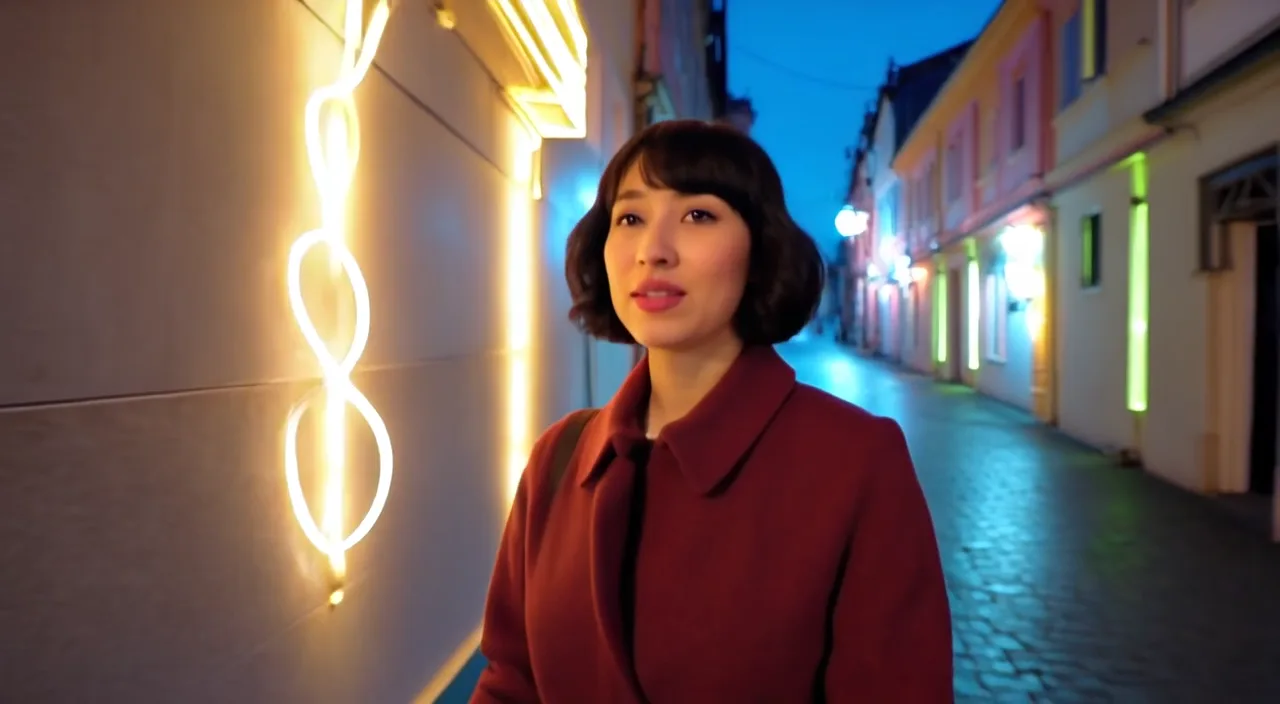
Multi-shot direction
Direct a scene over time, introduce soft shot changes, or cut cleanly into a new sequence.
1280 × 704 · multi-shot

Live video transformation
Transform an uploaded clip or webcam feed while preserving its original motion and timing.
video + webcam · prompt edit

Navigable world model
Enter an image-anchored world and steer its live stream with persistent movement and look controls.
1408 × 768 · image + WASD / look
WF / verified signals
Private-beta scope. Measurements are internal and not an SLA.
10 production
Current
JavaScript · Python
Current
Generation · editing · worlds · multi-shot
Current
Compile cache · about 12 to 2 min
Windflow measured
Active system
Frames, state, and control in one loop
One session boundary connects the developer contract, lifecycle control, GPU execution, and live delivery across the whole runtime.
Interactive worlds break the scheduler, the cost model, and the request lifecycle of an inference cloud. Four mechanisms replace them.
Generation · 33-frame blocks
Delivery
no gapEvery command lands at the next generation-block edge: a two-level cancel retires the in-flight block, and delivery never gaps.
Windflow measured · private beta · not an SLA
Create a session, subscribe to video and state, then send supported controls without restarting it. Model-specific inputs and limits remain explicit.
import { Windflow } from "@windflow/sdk";const session = new Windflow.Session({ model: "helios",});session.on("trackReceived", ({ name, track }) => { if (name === "main_video") video.srcObject = new MediaStream([track]);});await session.connect(jwt);await session.sendCommand("start", { prompt: "a city unfolding at dawn",});
Create
Allocate a model runtime
Connect
Attach realtime transport
Control
Send supported commands while live
Observe
Read frames, state, and usage
Building an interactive video product or bringing a new world model online? Join the private beta and test it against a real session workflow.


